Research Overview
My research began with a focus on intelligent transportation systems, where I explored innovations in traffic management and vehicular communication. Over time, this work expanded into the application of data science and artificial intelligence techniques to address key transportation challenges related to safety, efficiency, sustainability, and cybersecurity. In parallel, I have engaged in pedagogical research and STEM education efforts, such as leading NSF-funded scholarship programs and developing new degree pathways in data science and AI.
Selected Funded Projects
- NSF S-STEM, 2023: Creating Pathways to Computing Careers through Experiential and Engaged Learning. NSF DUE-2322436
- California Learning Lab, 2023: Greater LA Data Science Pathways (GLADS-PATH).
- California State Transportation Agency, 2023: Medium and Heavy-Duty Electric Vehicle Market.
- NSF HSI, 2022: Improving Online STEM Education for Undergraduate Students at HSIs. NSF DUE-2225206
- NSF IUSE, 2022: Broadening Inclusive Participation in Artificial Intelligence Undergraduate Education for Social Good Using A Situated Learning Approach. NSF DUE-2142503, 2142783, 2142439, 2142490, 2142594
- NSF DSC, 2021: DS-PATH: Data Science Career Pathways in the Inland Empire. NSF IIS-2123271, 2123444, 2123313
- NSF DSC, 2019: Central Coast Data Science Partnership: Training a New Generation of Data Scientists. NSF IIS-1924205, 1924008
The objectives of transportation in a smart campus are to ensure safety, increase efficiency, and promote sustainability. Our current project focuses on improving parking by implementing a parking monitoring system at CSUSB that utilizes computer vision and IoT technologies to provide real-time information on available parking spots. A pilot of this system was successfully launched at the Parking Structure East in 2019, and led to the development of fully monitored parking lots in 2024.
Recent advances in TCPS will create a widely connected network that can be accessed by vehicles, transportation infrastructure, handhold smart devices, among others. This in turn will allow for control actions to be exerted on both the infrastructure and the vehicle sides. Our research focuses on the potential for Cooperative Vehicle and Intersection Control (CVIC) to improve sustainability in transportation systems. Our proposal involves joint decision-making for traffic light timing and vehicle speed control, with the aim of reducing energy consumption.
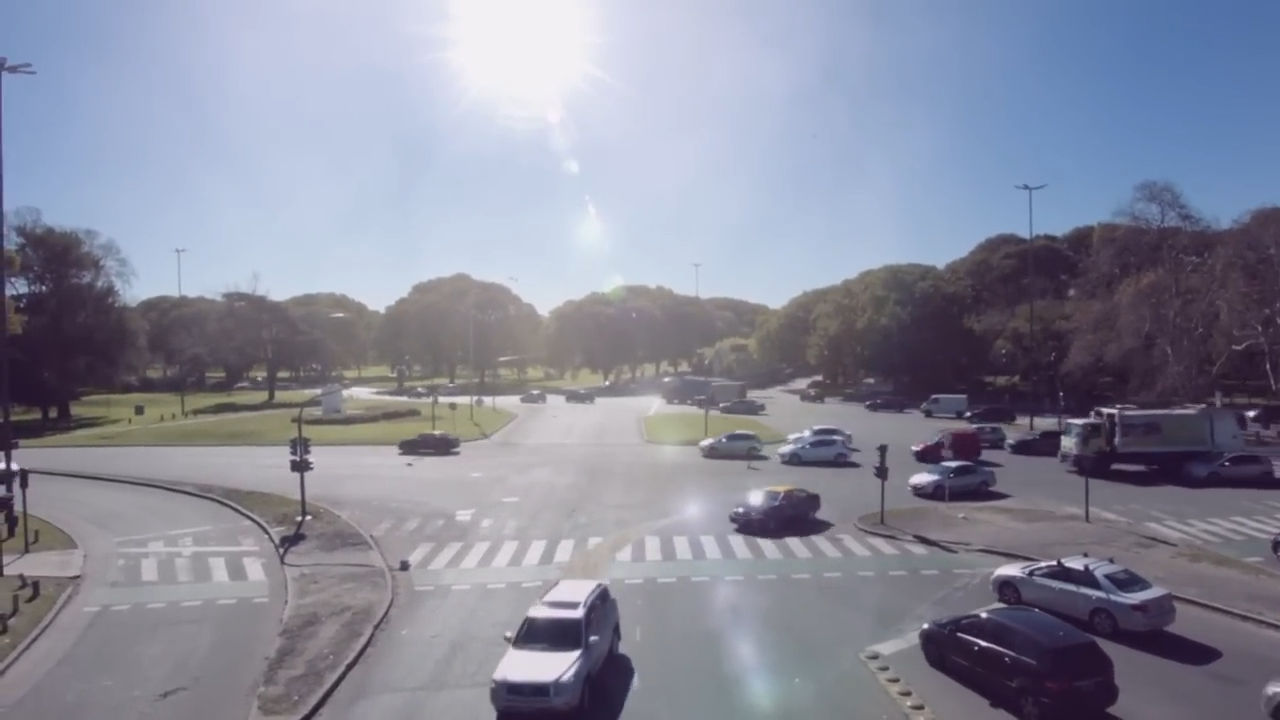
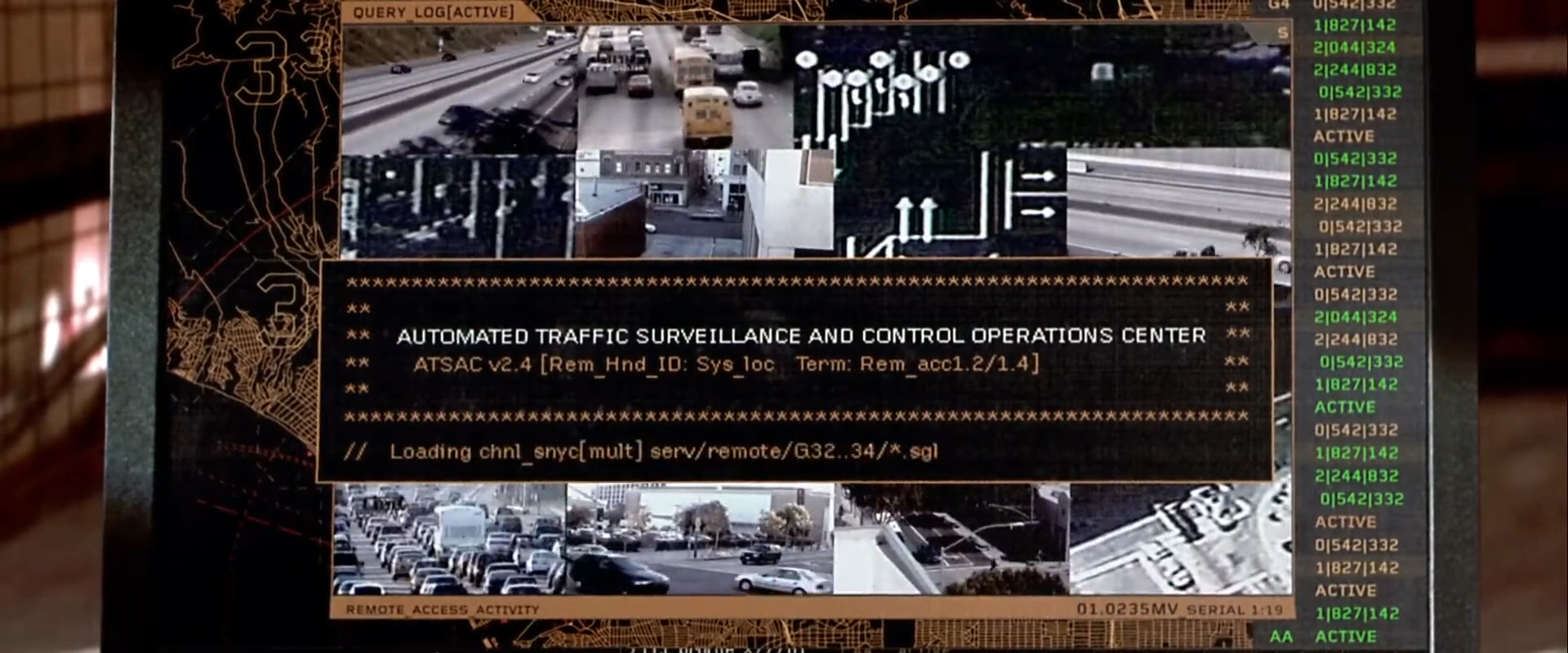
Traffic Management Systems are becoming more vulnerable and susceptible hacking targets as they rapidly develop to become more connected and intelligent. The following video showcases what was 'envisioned' in the 2003 movie, The Italian Job. With the support of the Western Riverside Council of Governments (WRCOG), we investigated the possible cyber threats to the transportation system in the Inland Empire and identified steps to address any shortcomings.
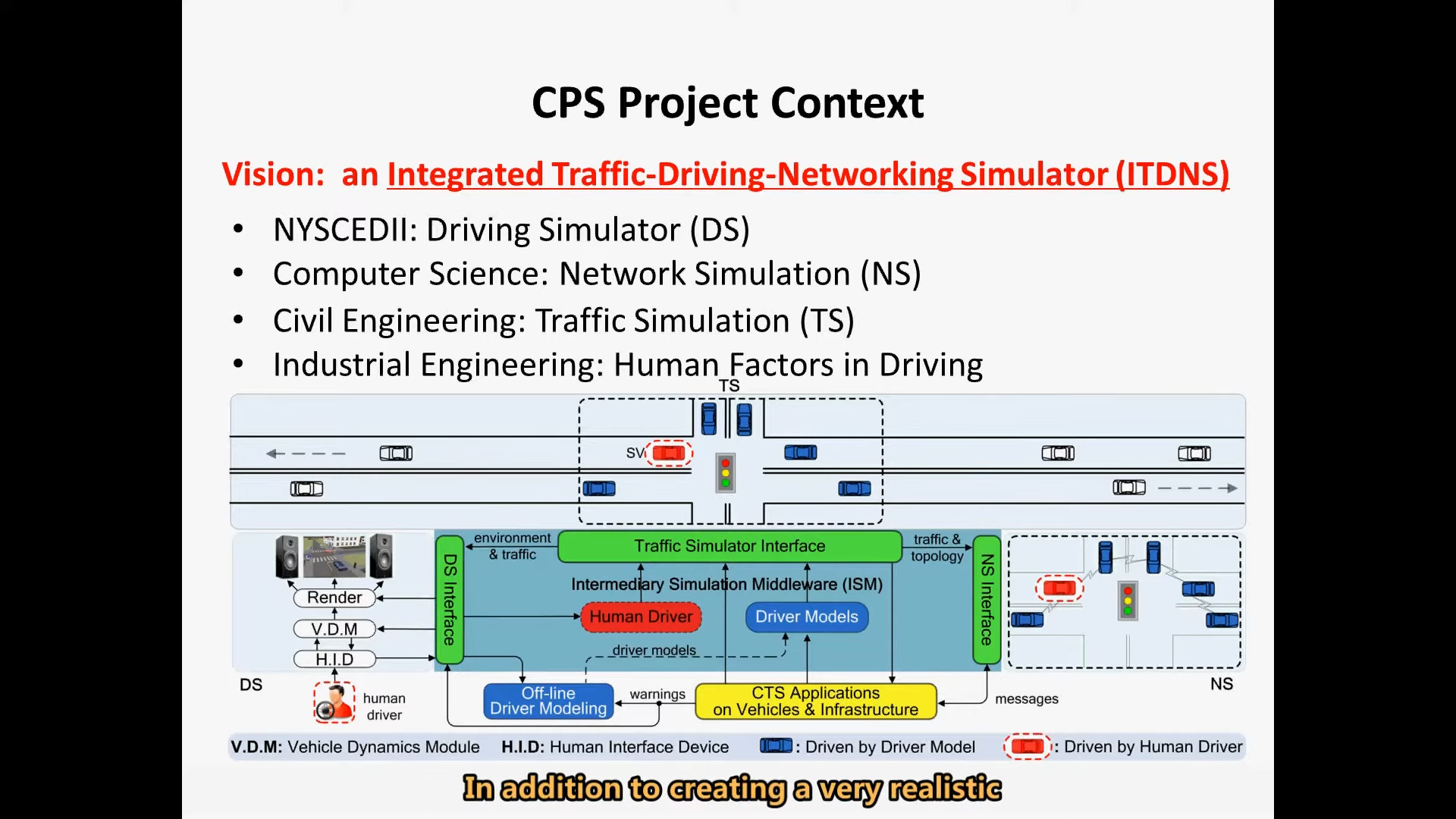
Transportation Cyber-Physical Systems requires simulation-based testing and evaluation due to the prohibitive cost of building realistic test beds. Our team has developed the Integrated Traffic-Driving-Network Simulator (ITDNS), available at http://www.cse.buffalo.edu/CTS/, which comprises of three components: a commercial traffic simulator (PARAMICS), a driving simulator with a car mounted on a six degree-of-freedom motion platform, and a widely used network simulator (ns-2).